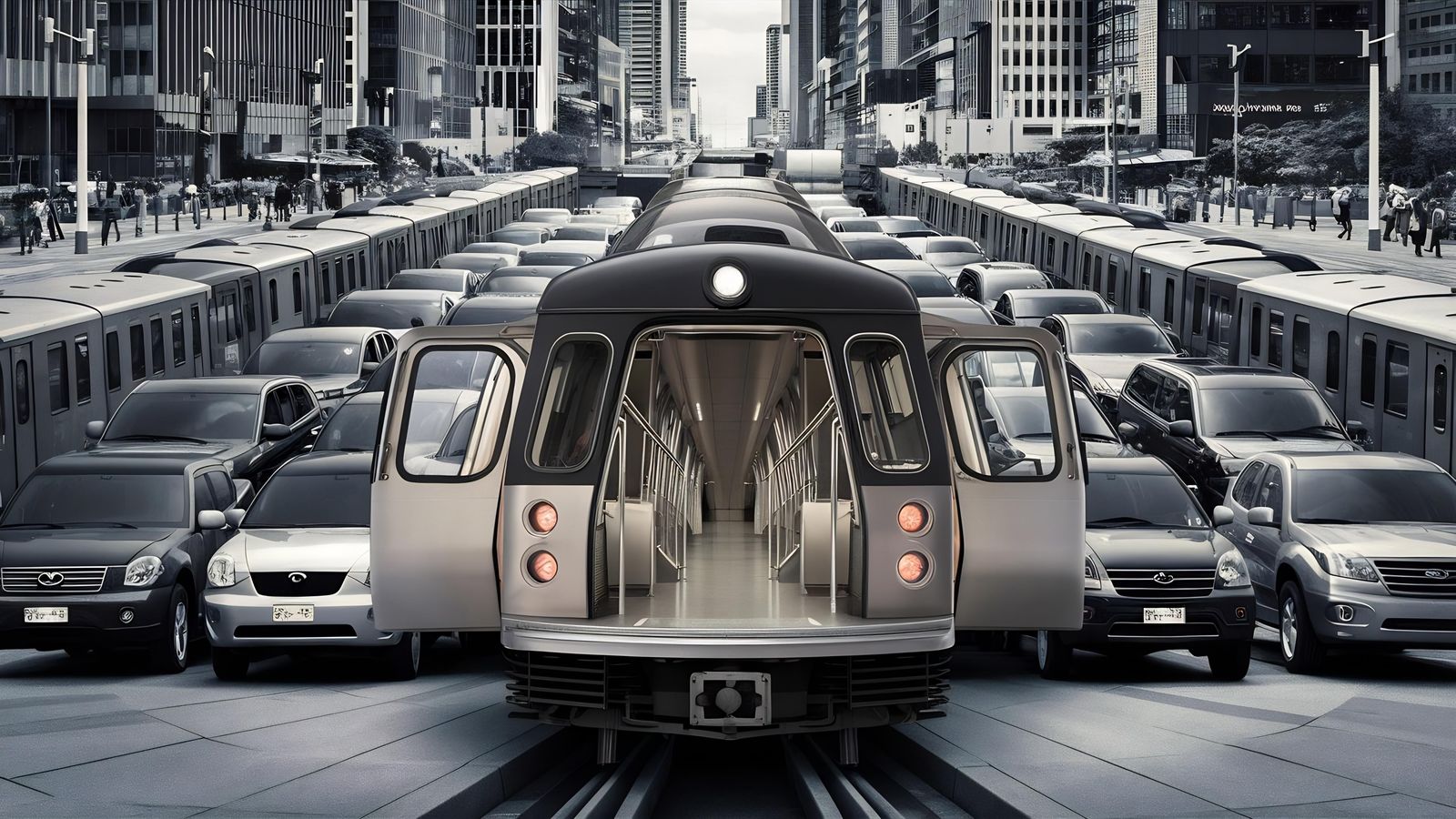
The official U.S. market launch of the Cybergo driverless electric shuttle represented a specific and significant step in the commercial history of autonomous transport in North America. It was not the first autonomous vehicle demonstration in the United States - there had been research vehicle trials and DARPA challenge participants for years before Cybergo arrived - but it was among the first instances of a commercially available driverless passenger shuttle being formally positioned for the U.S. market as a deployable product.
That distinction between demonstration and commercial availability matters. Demonstrations show that a technology can be made to work under controlled conditions. Commercial availability means a buyer can contract for delivery and deployment. The gap between those two states is where most autonomous vehicle programmes have stalled, and Cybergo crossed it.
U.S. market context at launch
The North American market for autonomous transport presented both opportunities and specific requirements that differed from the European context where the Navia platform had established its early deployments.
The opportunity was substantial. The United States has extensive campus infrastructure - university campuses, corporate parks, medical centres, and government facilities - that shares the characteristics that make autonomous shuttle deployment viable: defined routes, managed environments, predictable pedestrian behaviour, and operators who benefit from reliable inter-building transport without the overhead of conventional vehicle fleet management.
The requirements were specific. U.S. accessibility standards - primarily the Americans with Disabilities Act - set particular expectations for passenger vehicle boarding access, stop design, and passenger information. These were not abstract regulatory considerations; they shaped the deployment cases that potential operators would evaluate and the conversations that procurement processes would require.
Cybergo was developed with these requirements in mind. The platform addressed both the operational needs of U.S. campus and facility operators and the regulatory framework within which those operators would need to justify a deployment.
The significance of the formal launch
Formal market launches for specialist commercial vehicles serve a different purpose than consumer product launches. The audience is not the general public. It is procurement officers, facility managers, campus planning departments, and the consultants and advisors who influence their decisions.
A formal launch creates a point of reference. It establishes that the product exists, that it is commercially available, and that the documentation and support infrastructure for a real deployment exists alongside the vehicle itself. Before a formal launch, a procurement inquiry may produce no clear answer. After a formal launch, the same inquiry has a product page, a specification sheet, a contact process, and - ideally - a reference deployment that can be visited or reviewed.
The Cybergo U.S. launch established that reference point for the North American market. It put a commercially available driverless electric shuttle into the conversation for U.S. facility operators who were evaluating autonomous transport options.
Platform positioning
Cybergo was positioned in the U.S. market not as a future technology preview but as a deployable product for specific, well-defined applications. The positioning reflected lessons from the Navia deployments in Europe: the strongest deployment cases were those where the environment’s characteristics aligned with the vehicle’s operating envelope, where the operator had clear internal justification for the service, and where the deployment could be managed as infrastructure rather than as a technology experiment.
The electric drivetrain was central to the positioning. At the time of the Cybergo U.S. launch, electric vehicle technology was gaining commercial credibility in the North American market more broadly, and the combination of zero-emission operation with automated navigation addressed two separately valued objectives for facility operators - environmental performance targets and operational cost reduction.
What this launch documented
The Cybergo U.S. launch is part of a small set of documented moments when autonomous passenger transport moved from research visibility to commercial reality. The broader autonomous vehicle timeline has been repeatedly revised, and the general-purpose self-driving car has remained further away than early projections suggested. The managed-environment shuttle story is different: it involves smaller claims, specific deployment contexts, and a commercial record that is more modest in scope but more reliable in execution.
For the regulatory context around intelligent transportation systems and automated mobility deployment in the United States, the U.S. Department of Transportation’s resources on automated vehicles and ITS deployment provide relevant framework context.
| *See also: Cybergo platform notes | Navia product documentation | The world’s first commercially available self-driving vehicle* |