Autonomous Mobility Documentation

Structured transport for environments that require precision

Induct Technology documents the Navia and Cybergo autonomous shuttle platforms - vehicles designed for campuses, airports, industrial facilities, and other managed environments where low-speed driverless operation is both practical and necessary.

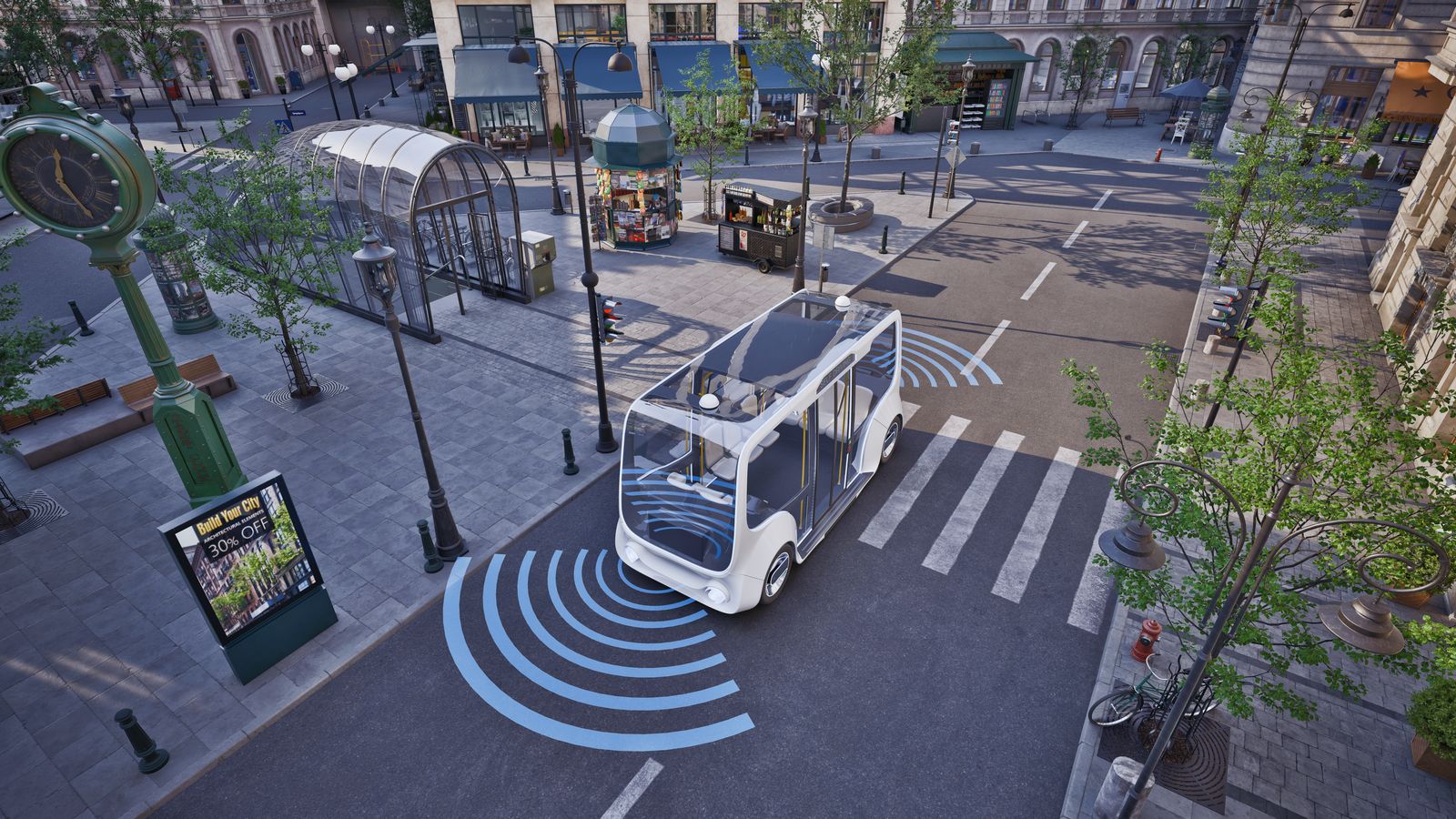
Navia autonomous electric shuttle operating on a campus route
Platforms

Two vehicles, one consistent approach

The Navia and Cybergo platforms share a common operating philosophy: fixed routes, defined environments, and driverless operation at speeds suited to pedestrian-adjacent use. Neither is a general-purpose autonomous vehicle. Both are purpose-built for contexts where that constraint is a feature, not a limitation.

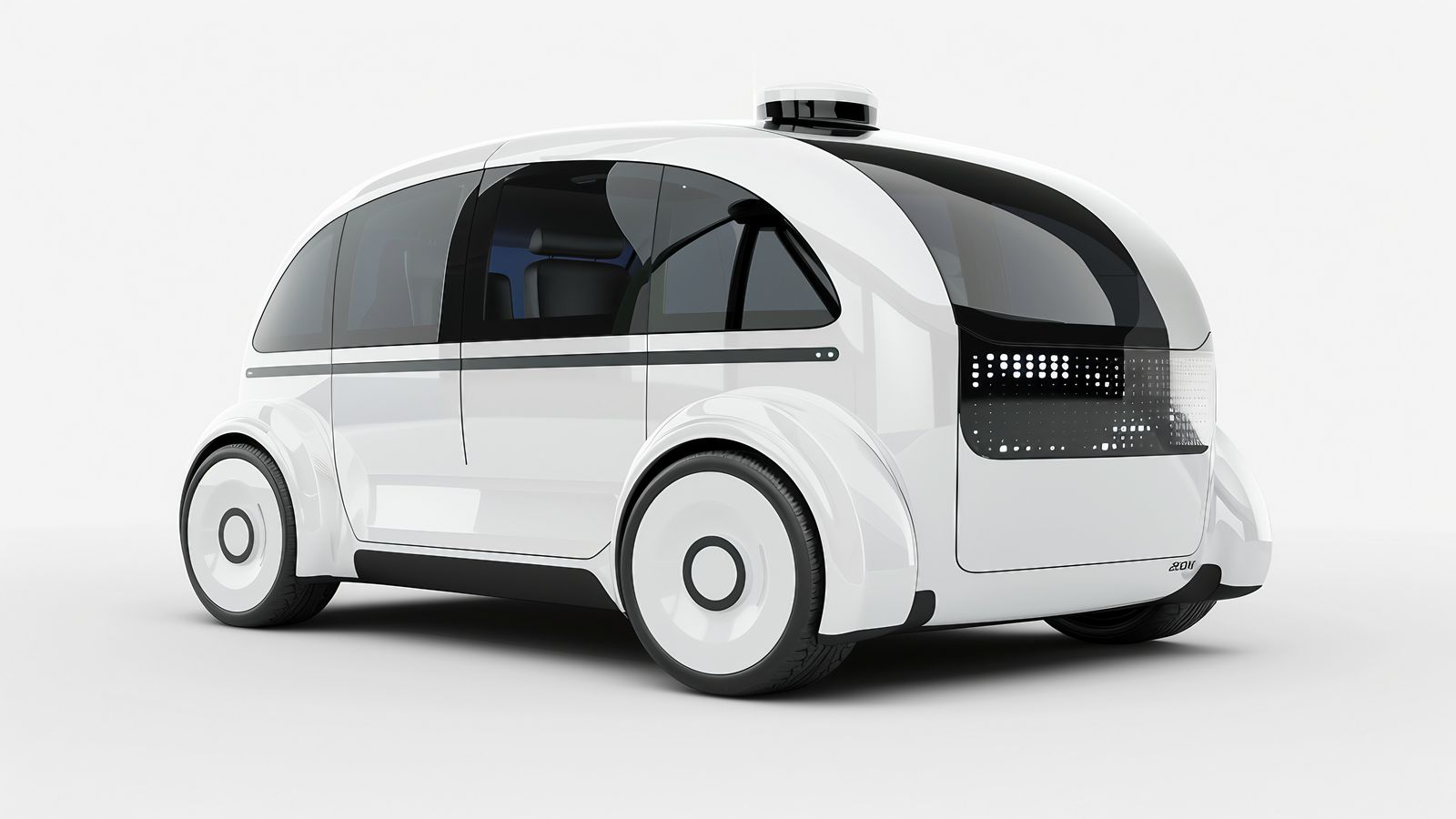
Navia autonomous shuttle - compact electric passenger vehicle
Electric Autonomous Shuttle

Navia

A compact, fully electric, driverless shuttle for managed routes. Navia is the core platform around which Induct Technology's approach to autonomous mobility is built - quiet, precise, and designed for environments that reward restraint over speed.

Product documentation
Cybergo driverless electric shuttle for urban and campus deployment
Driverless Electric Shuttle

Cybergo

A driverless electric shuttle positioned for early autonomous transport deployment contexts - particularly in the United States market. Cybergo represents a specific moment in the evolution of commercially available autonomous mobility systems.

Platform notes
Where it works

Deployment context is half the engineering

Autonomous shuttles at this speed range and operating profile perform well when the environment is designed around them - or already has the structure they need. Campus loops, airport inter-terminal routes, hospital estate circuits, and private visitor routes all share characteristics that make driverless operation tractable.

Campus

University and corporate campuses

Predictable pedestrian volumes, defined routes between buildings, and an operator audience that skews toward early adoption. Campus deployment is where most documented Navia operations have occurred.

Airport

Airport and transport hub routes

Inter-terminal movement, landside circulation, and staff transport across airside zones all fit within the operational envelope of low-speed autonomous shuttles - provided the route is fixed and controlled.

Medical estate

Hospital and healthcare estates

Large estates with predictable patient, visitor, and staff movement between buildings present a deployment case where driverless operation can reduce operational cost and improve service consistency.

Visual archive

Gallery and visual documentation

The gallery brings together product images, deployment photography, and visual documentation from the Navia and Cybergo vehicle programmes - presented as a curated archive rather than a media library.